
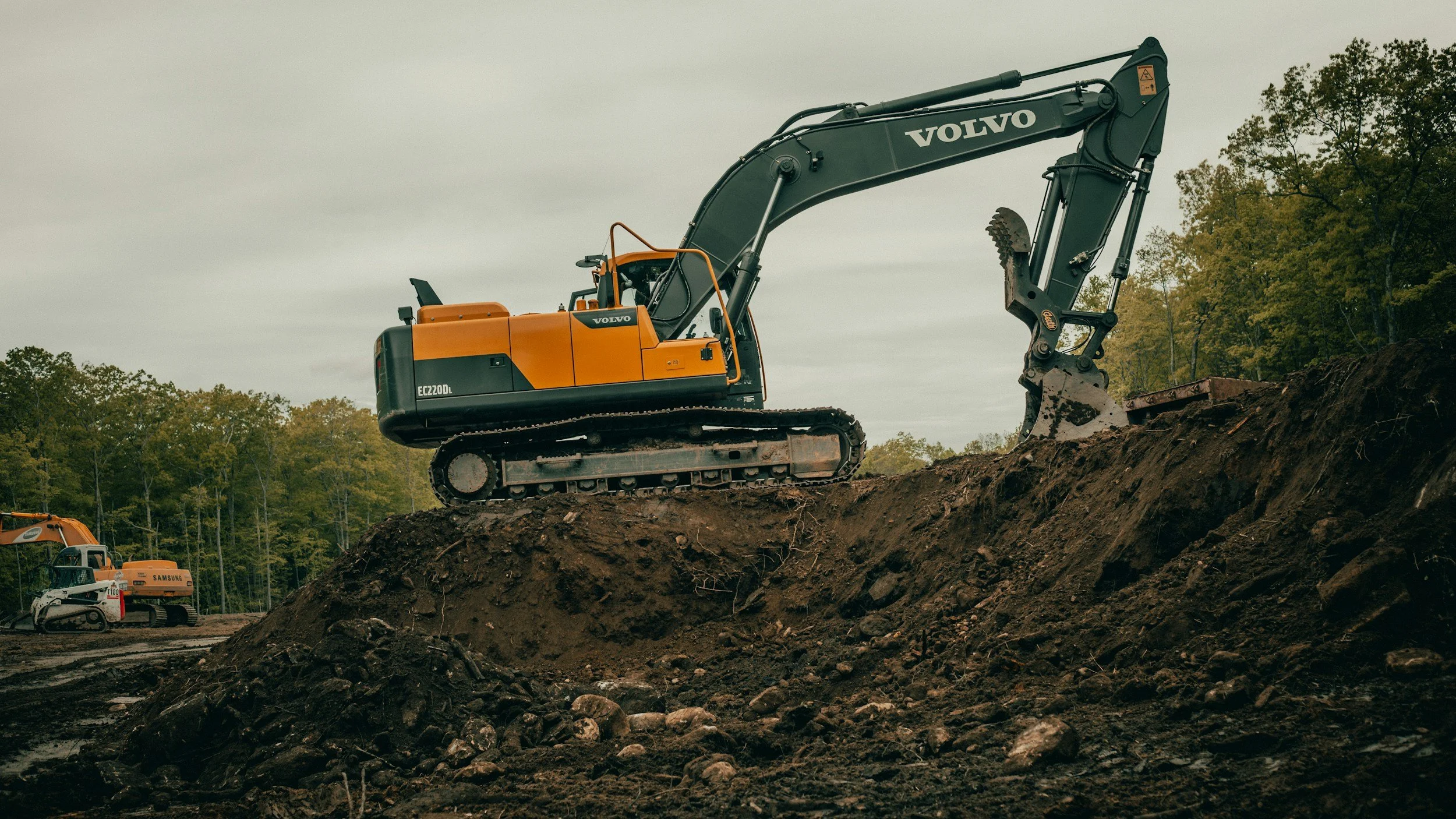
Case Study: When an Asbestos Clearance Certificate Is Not Enough
Unexpected asbestos finds during civil works can create significant confusion for contractors, developers and site owners, particularly where stakeholders assume that an asbestos clearance certificate “closes out” the issue entirely.
In practice, an asbestos clearance certificate and an asbestos in soil investigation (“ASI”) serve very different purposes.
A recent industrial remediation project undertaken by Land Risk Environmental highlights why understanding this distinction is critical from both a contaminated land and WHS perspective.

Case Study: Tenant-Owned UPSS Infrastructure Advisory
Tenant-operated underground petroleum storage systems (UPSS) are common across airports and industrial assets, however environmental liability does not disappear simply because infrastructure is tenant-operated.
LRE recently assisted with advisory services relating to tenant-owned fuel infrastructure at an operational airport, where the review identified common issues including incomplete compliance records, inconsistent monitoring programmes and uncertainty around regulatory responsibilities.
This blog explores the regulatory obligations associated with tenant-operated UPSS infrastructure, the importance of maintaining compliant Fuel System Operation Plans (FSOPs), and the environmental and commercial risks that can emerge where compliance management breaks down over time.
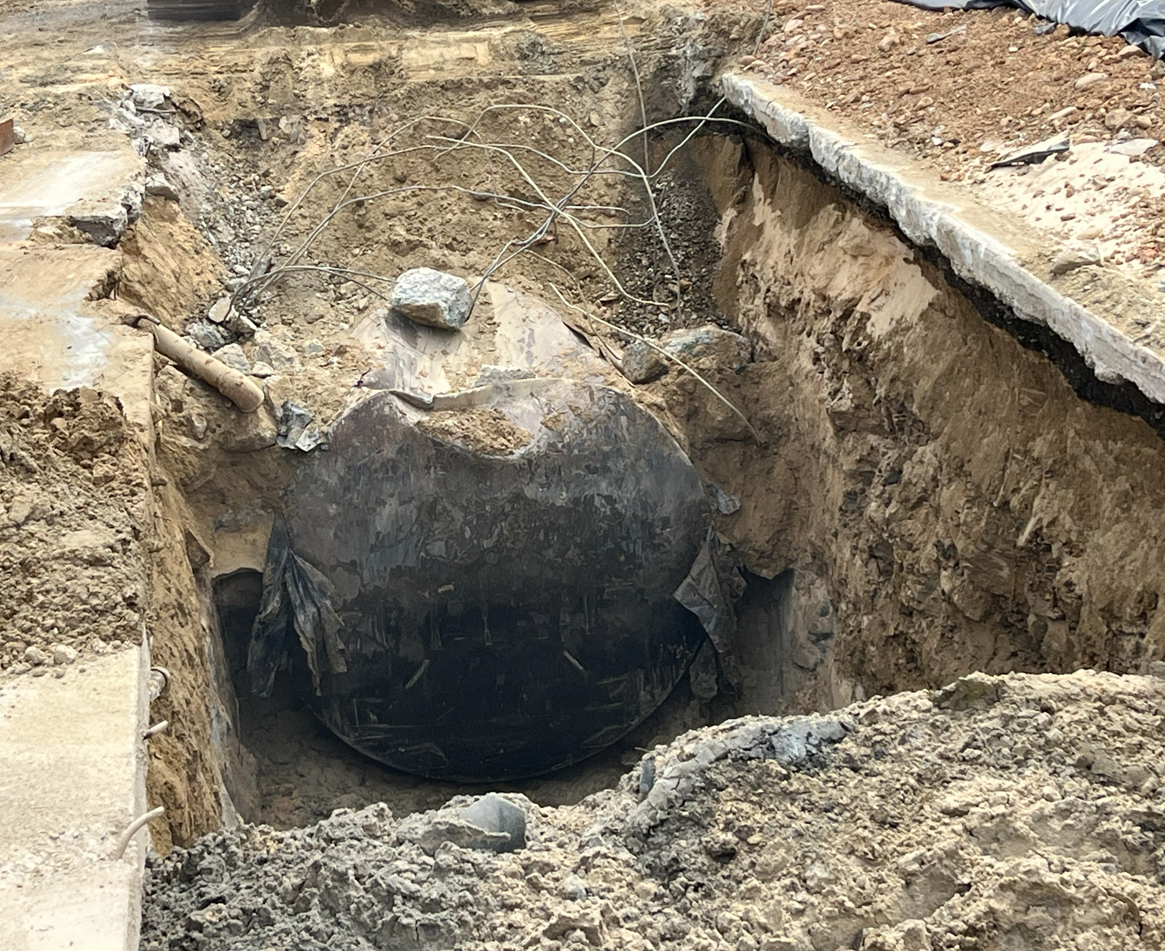
Case Study: Managing UPSS Contamination Risk During Redevelopment
Underground petroleum storage systems (UPSS) are one of the most common contamination risks encountered during industrial redevelopment projects, and often one of the easiest to underestimate.
LRE recently assisted on a Western Sydney redevelopment project involving the removal and validation of multiple legacy UPSS associated with generator and refuelling infrastructure. During excavation works, unexpected contamination was identified within stockpiled materials, requiring rapid reassessment, additional targeted sampling and revised waste classification strategies.
This blog explores how flexible environmental management, staged waste classification, contractor coordination and a robust Unexpected Finds Protocol (UFP) helped manage contamination risk while keeping the redevelopment project moving.
Top 5 Environmental Risks That Derail Property Deals (and How to Manage Them Early)
Environmental issues rarely derail property deals on their own — uncertainty, cost escalation and programme delays are usually the real problem.
Based on LRE’s experience undertaking environmental due diligence for commercial, industrial and redevelopment sites, some of the most common deal risks include uncontrolled fill, asbestos in soil, legacy underground petroleum storage systems (UPSS), groundwater contamination and poor-quality environmental reporting.
This blog explores why these issues create significant commercial and development risk, and how early targeted investigations, appropriate due diligence and proactive environmental management can help avoid costly surprises later in the project lifecycle.

The Importance of Environmental Due Diligence
When investing in real estate, due diligence is a crucial step in protecting your financial and legal interests. One of the most overlooked but potentially costly aspects of property acquisition is contaminated land and hazardous materials risk. Failure to assess environmental liabilities can lead to unexpected environmental liability, cleanup costs, legal issues, and project delays.
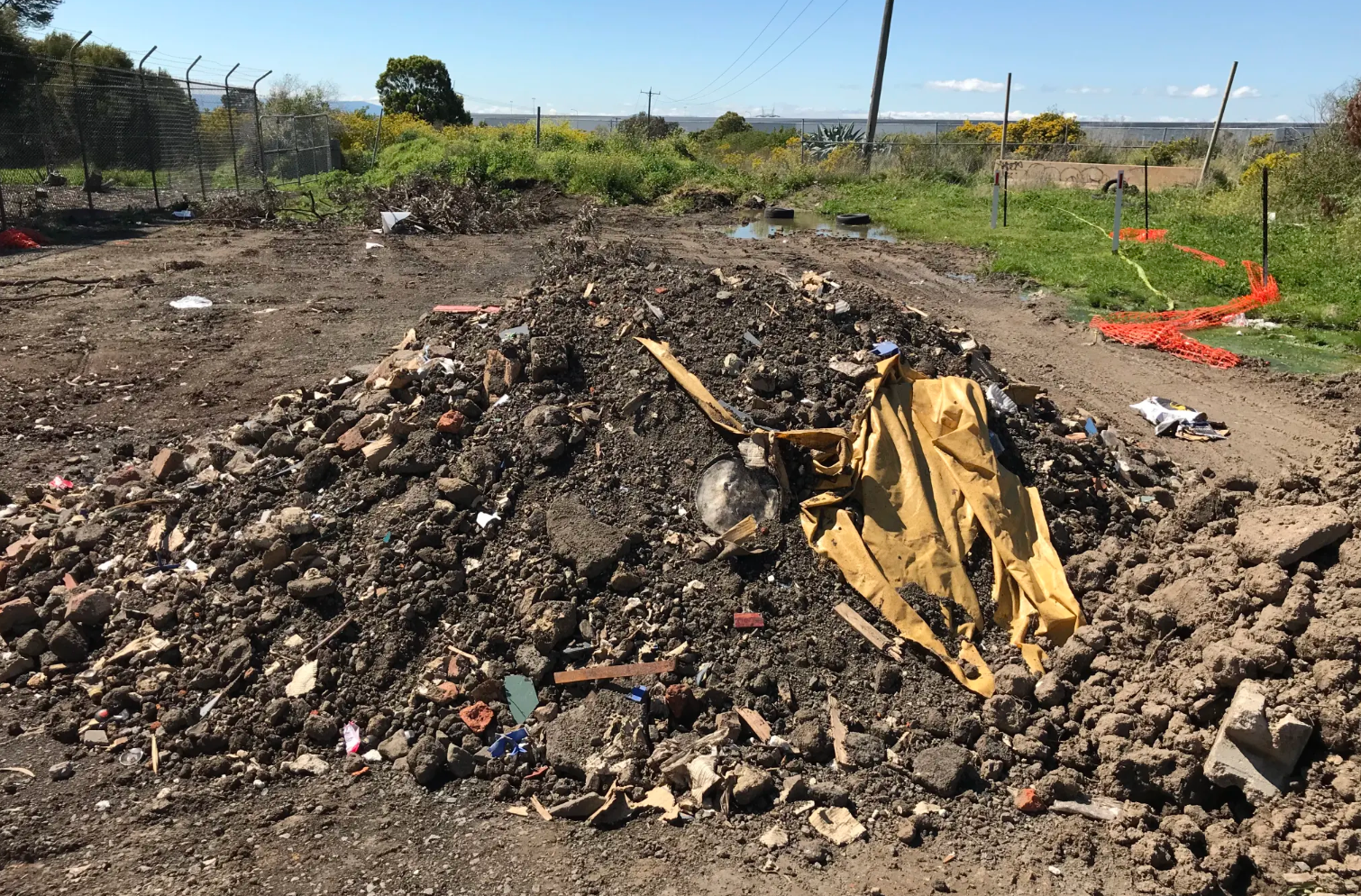
Fill Importation: Common Risks & Protective Measures
By accepting contaminated waste onto a property, owners or persons conducting a business or undertaking (PCBU) are inadvertently breaking the law and can be left responsible for any clean-up costs. The best way to prevent financial and environmental risk associated with contaminated fill is for it to never reach the property in the first place.
Underground Fuel Storage: How to Manage a Common Pollution Risk
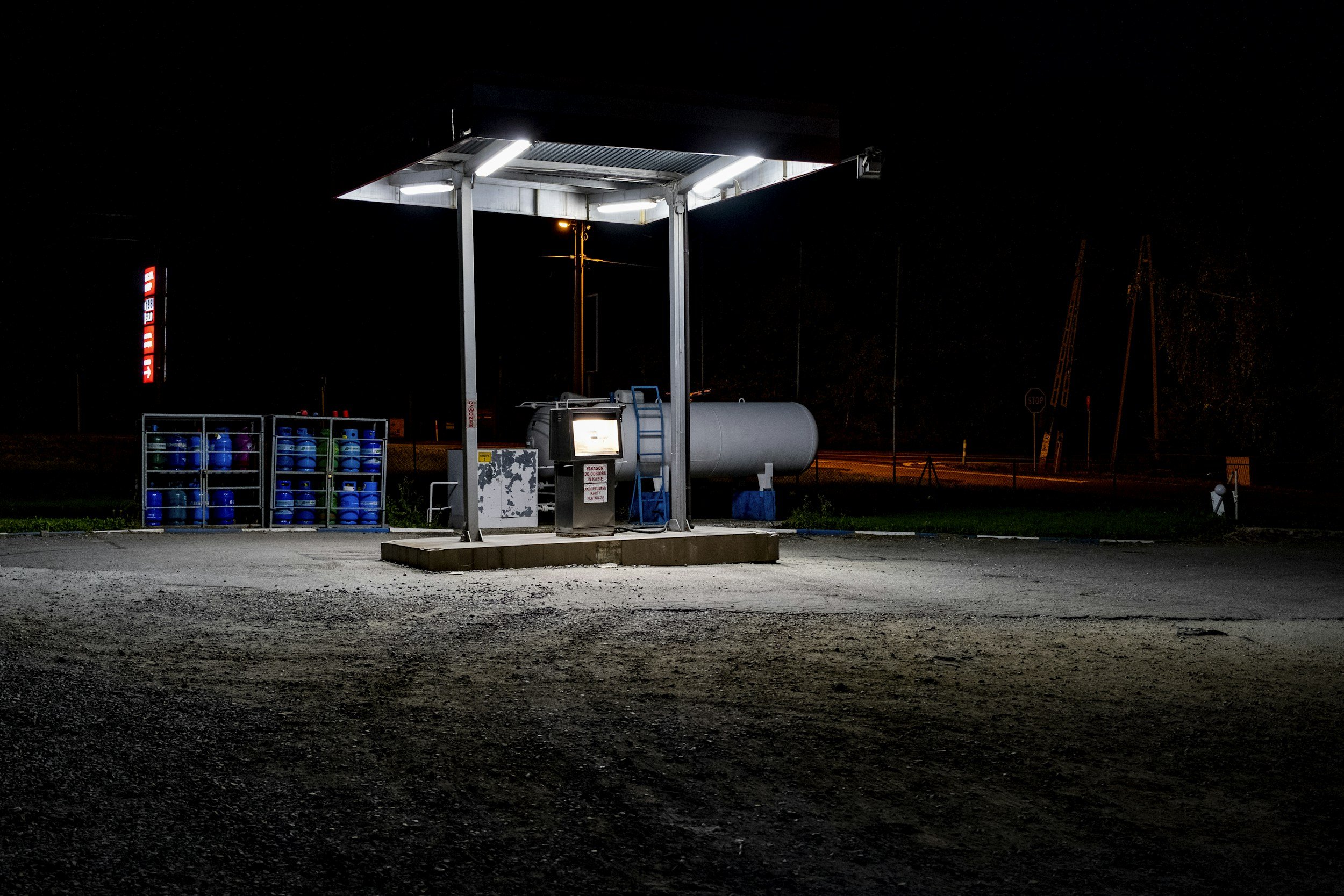
Leaks from underground fuel tanks and pipework are a common source of soil and groundwater contamination in Australia. Many of the contaminated sites notified to the Environment Protection Authority (EPA) have involved underground petroleum storage systems (UPSS). There is a clear need for operators of a UPSS to guard against, monitor for, and fix fuel leaks promptly. This can reduce environmental impacts, save costly clean-ups and protect the public.

Lead Paint: Health Risks & Management
Lead is a toxic metal that can cause a range of health problems when ingested or inhaled. All forms of lead can be hazardous to your worker’s health and sometimes also to those around your workplace. Lead exposure can potentially cause reproductive issues, hypertension, nerve disorders, and memory and concentration problems.
In December 2017, a new Australian Standard (AS/NZS 4361.2:2017 Guide to hazardous paint management Lead paint in residential, public and commercial buildings) was published for management of lead paint in buildings which saw a major change in the safe concentration standard, which was reduced from 1.0% lead down to 0.1%. The Standard now reflects the paint manufacturing definition of lead-free which has been 0.1% concentration since 1997.

The Hidden Dangers of Asbestos in Commercial Buildings
Asbestos, a naturally occurring mineral, was widely used in Australian commercial construction until the late 1980s due to its durability, fire resistance, and insulating properties. Commonly found in products like roofing, insulation, floor tiles, and cement, asbestos can still be present in buildings constructed or renovated before its complete ban in 2003.

An Introduction to the Australian Contaminated Land Industry
Australia's industrial history, much like other developed nations, has left a legacy of contaminated land sites. Past activities such as manufacturing, mining, landfills, and chemical and fuel storage have the potential to have impacted soil and groundwater with harmful chemicals which pose environmental and health risks. The contaminated land industry in Australia is focused towards identifying, managing, and remediating such sites.